
The Novel’s Moral Double Vision
Other PeopleThis flow traces how comic narration and bleak events coexist, complicating judgments of characters and their suffering.
increasing Bearing strength in each event
 decreasing
Bearing strength in each eventdecreasingComedy Among Strangers
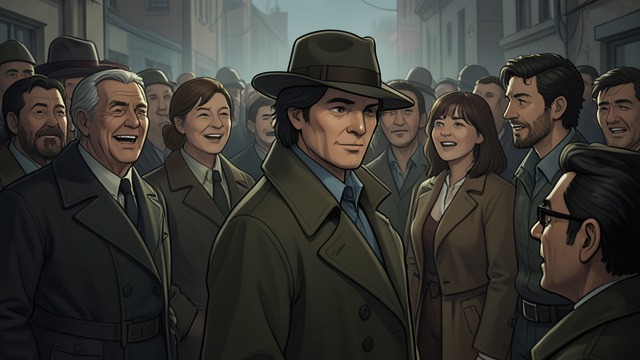
Comedy Among Strangers
Comic Classification
The narrator sorts people into kinds and describes their habits with irreverent humor. Mary initially accepts these categories as part of her effort to understand the city.
Humor’s Uneasy Edge
The classifications can make the world seem manageable, but they also expose how people reduce one another to types. Comedy does not remove the vulnerability underneath the joke.
The Joke Turns Dark
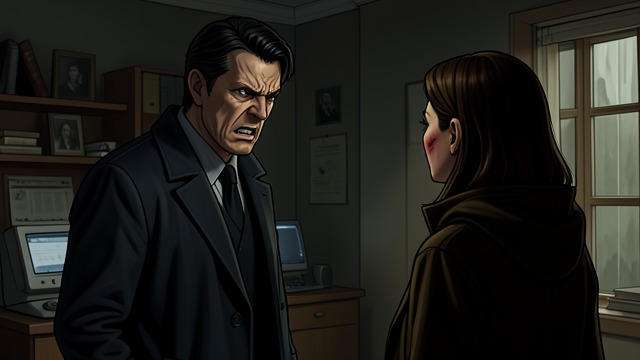
The Joke Turns Dark
Violence Breaks the Tone
The assault and Mary’s retaliation make the comic treatment of social types difficult to accept as harmless. The narrative’s wit remains, but its subject is now bodily harm and fear.
Reading Against the Laughter
The novel asks readers to notice when jokes reproduce the cruelty they appear to mock. A character’s self-deception may be funny and still carry serious consequences.
Pain Beneath the Banter
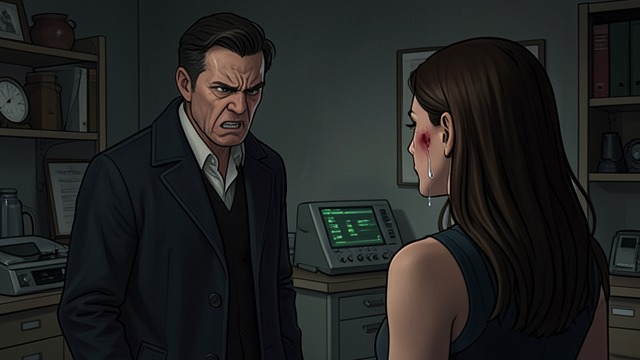
Pain Beneath the Banter
Comic Speech as Cover
Russ’s boasts and Alan’s awkwardness can invite laughter, but both men carry deep insecurity. Their comic differences become part of a painful emotional contest around Mary.
The Tone Cannot Protect Them
Alan’s suicide makes the earlier jokes about his hair and desire newly painful. The narrative’s humor exposes vulnerability but cannot neutralize it.
The Narrator Is Implicated
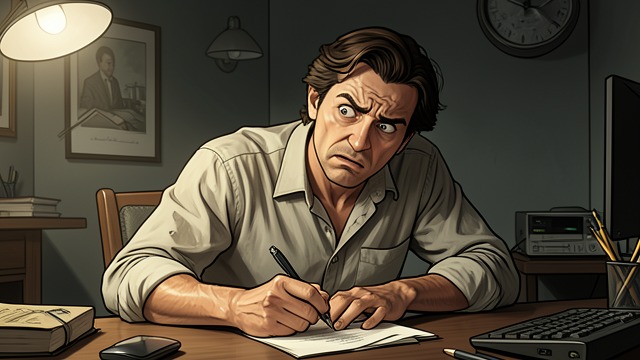
The Narrator Is Implicated
Commentary Becomes Confession
The narrator speaks directly about fear, pain, and his own possible suicide. The voice that seemed to control the characters begins to reveal its own exposure and instability.
Humor as Complicity
The narrator’s comic authority does not stand outside the suffering it describes. His words become part of the moral problem, especially when he claims to know what Mary needs.
A Serious Ending
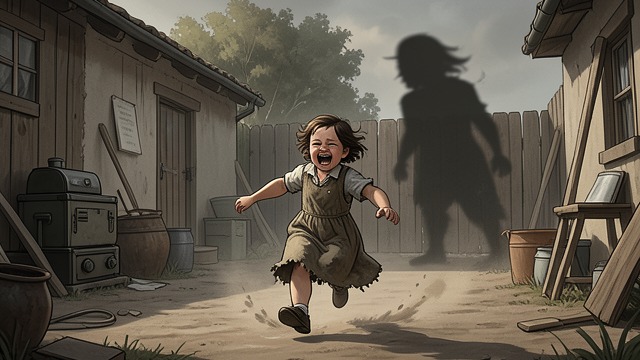
A Serious Ending
Forgiveness and Unease
Amy’s return to childhood offers forgiveness, but the epilogue keeps the possibility of danger alive. The tonal shift refuses a purely comforting conclusion.
Laughter Cannot Settle Judgment
The book’s comic energy and tragic outcomes remain together. Readers must hold both in view rather than allowing either humor or sorrow to explain the whole story.
During Mary’s first days
After Trev assaults Mary
During Alan and Russ’s rivalry
During the later sections
At the ending
